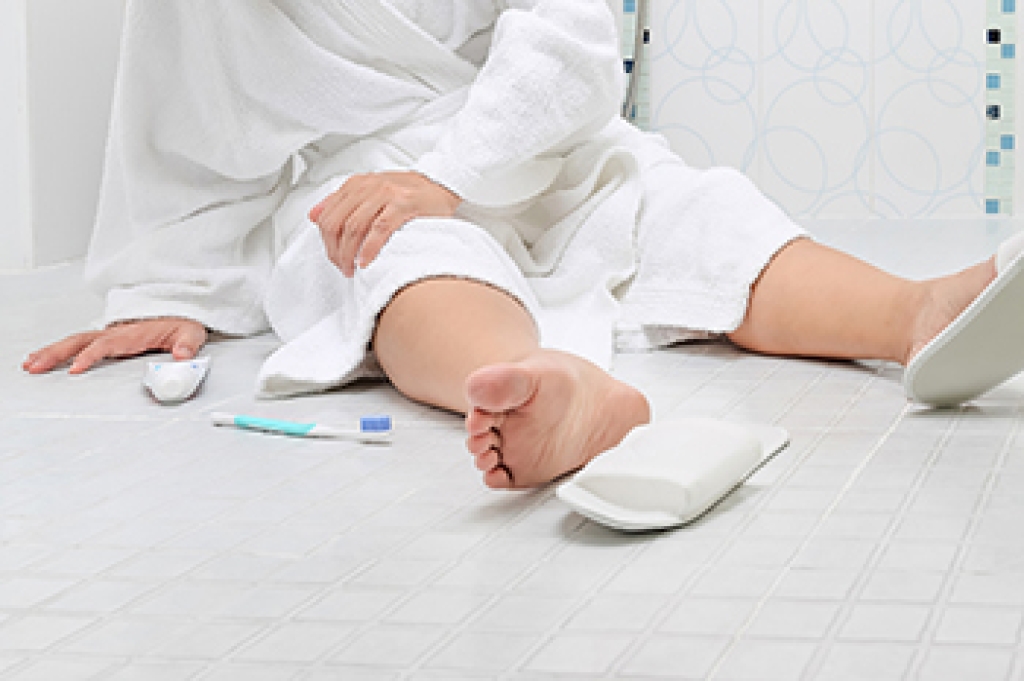
Risk Factors for Falls

Falls are a leading cause of serious injury, especially among older adults, and many risk factors are linked to foot and ankle health. Weak foot muscles and reduced ankle flexibility affect balance. Certain health problems, such as nerve damage that reduces sensation in the feet, may prevent people from feeling the ground properly. Arthritis can cause joint stiffness and pain that limits movement and coordination. Foot deformities, like bunions or hammertoes, may change weight distribution and increase instability. Vision problems, certain medications, and chronic medical conditions can also affect balance and reaction time. In addition, hazardous work environments, substance use, and physical inactivity may raise the likelihood of falling. A podiatrist can evaluate foot structure, joint motion, and gait, which is the pattern of walking, to identify problems that increase fall risk. Treatment may include medical care, exercises, bracing, or custom orthotics aimed at improving stability. If you are at risk for falling, it is suggested that you make an appointment with a podiatrist for an exam, diagnosis, and treatment.

Preventing falls among the elderly is very important. If you are older and have fallen or fear that you are prone to falling, consult with George Tellam, DPM from Ankle & Foot Associates. Our doctor will assess your condition and provide you with quality advice and care.

Every 11 seconds, an elderly American is being treated in an emergency room for a fall related injury. Falls are the leading cause of head and hip injuries for those 65 and older. Due to decreases in strength, balance, senses, and lack of awareness, elderly persons are very susceptible to falling. Thankfully, there are a number of things older persons can do to prevent falls.

How to Prevent Falls

Some effective methods that older persons can do to prevent falls include:

  • Enrolling in strength and balance exercise program to increase balance and strength
  • Periodically having your sight and hearing checked
  • Discuss any medications you have with a doctor to see if it increases the risk of falling
  • Clearing the house of falling hazards and installing devices like grab bars and railings
  • Utilizing a walker or cane
  • Wearing shoes that provide good support and cushioning
  • Talking to family members about falling and increasing awareness

Falling can be a traumatic and embarrassing experience for elderly persons; this can make them less willing to leave the house, and less willing to talk to someone about their fears of falling. Doing such things, however, will increase the likelihood of tripping or losing one’s balance. Knowing the causes of falling and how to prevent them is the best way to mitigate the risk of serious injury.  

If you have any questions, please feel free to contact our offices located in Orange Park and Jacksonville Beach, FL . We offer the newest diagnostic and treatment technologies for all your foot care needs.

Read more about Falls Prevention

Let the Expert Treat Your Ingrown Toenails

Ingrown toenails can be painful and can make wearing shoes or walking uncomfortable. Seek professional help if you believe you've developed an ingrown toenail and be treated safely. 

4 Stages of Gout

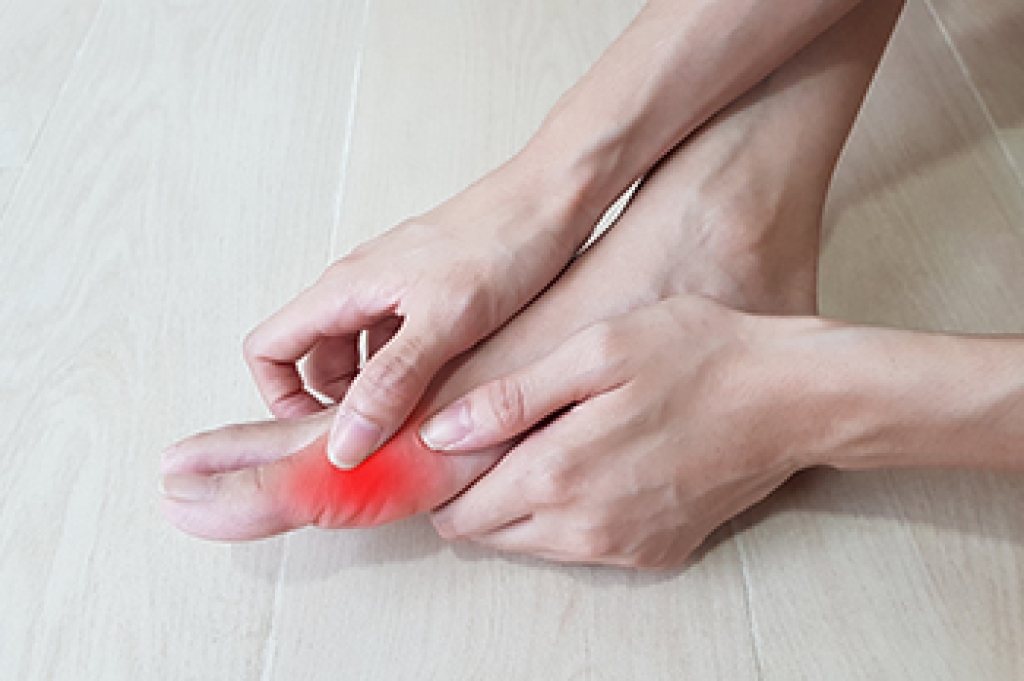
Gout is a painful form of arthritis that often affects the big toe joint. It develops when uric acid builds up in the body and forms sharp crystals inside a joint. Uric acid is a waste substance that normally dissolves in the blood and leaves the body through urine. The first stage of gout is called asymptomatic. During this stage, uric acid levels rise, but there are no symptoms. The second stage is acute gout, also known as a gout attack. Sudden pain, swelling, redness, and warmth may occur in the joint, often in the big toe. The third stage is called intercritical gout. Pain disappears during this period, but uric acid may still collect in the joints between attacks. The fourth stage is chronic gout. Large crystal deposits called tophi can form under the skin and may damage joints over time. A podiatrist can diagnose gout, evaluate joint damage, and provide treatment to manage symptoms and protect foot health. If you have symptoms of gout, it is suggested that you make an appointment with a podiatrist for an exam, diagnosis, and treatment.

Gout is a foot condition that requires certain treatment and care. If you are seeking treatment, contact George Tellam, DPM from Ankle & Foot Associates. Our doctor will treat your foot and ankle needs.

What Is Gout?

Gout is a type of arthritis caused by a buildup of uric acid in the bloodstream. It often develops in the foot, especially the big toe area, although it can manifest in other parts of the body as well. Gout can make walking and standing very painful and is especially common in diabetics and the obese.

People typically get gout because of a poor diet. Genetic predisposition is also a factor. The children of parents who have had gout frequently have a chance of developing it themselves.

Gout can easily be identified by redness and inflammation of the big toe and the surrounding areas of the foot. Other symptoms include extreme fatigue, joint pain, and running high fevers. Sometimes corticosteroid drugs can be prescribed to treat gout, but the best way to combat this disease is to get more exercise and eat a better diet.

If you have any questions, please feel free to contact our offices located in Orange Park and Jacksonville Beach, FL . We offer the newest diagnostic and treatment technologies for all your foot care needs.
Read more about Everything You Need to Know About Gout

Foot Blood Blisters

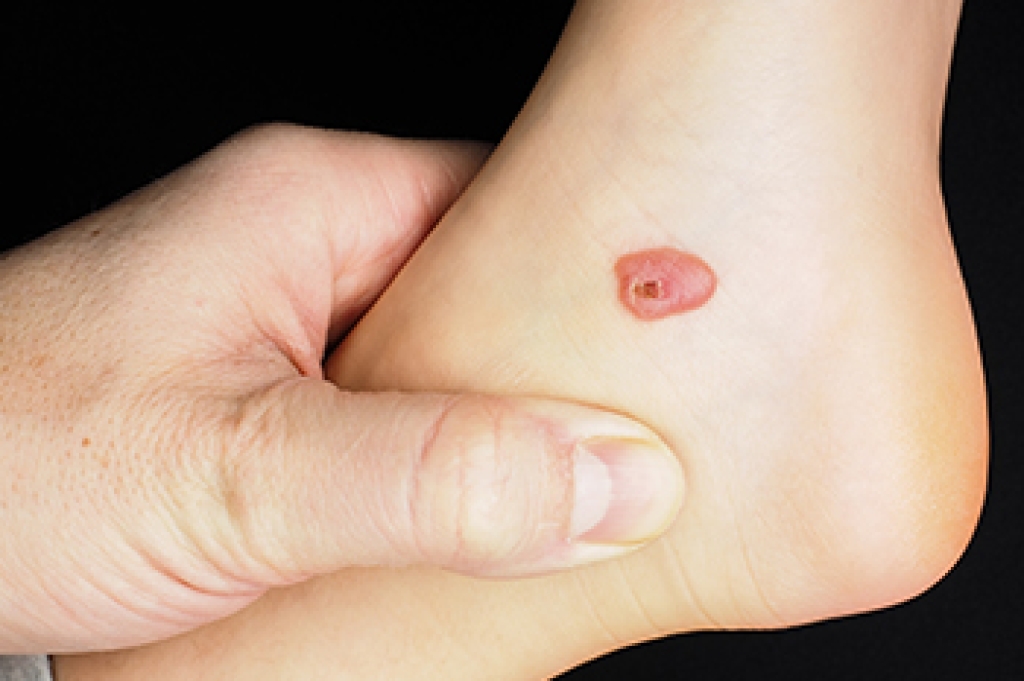
A blood blister is a raised pocket of skin filled with blood that forms when small blood vessels beneath the surface are damaged. On the foot, this often occurs when the skin is pinched or crushed by tight shoes, repetitive friction, or sudden trauma. Athletes, people who stand for long periods, and those wearing ill-fitting footwear face higher risk. Symptoms include swelling, tenderness, redness, and discomfort while walking. Unlike clear blisters, blood blisters appear dark red or purple. A podiatrist can evaluate the injury, relieve pressure safely, help prevent infection, and recommend proper footwear or protective padding. If you have a painful foot blister, it is suggested that you consult a podiatrist who can offer effective relief, treatment and prevention tips.

Blisters are prone to making everyday activities extremely uncomfortable. If your feet are hurting, contact George Tellam, DPM of Ankle & Foot Associates. Our doctor can provide the care you need to keep you pain-free and on your feet.

Foot Blisters

Foot blisters develop as a result of constantly wearing tight or ill-fitting footwear. This happens due to the constant rubbing from the shoe, which can often lead to pain.

What Are Foot Blisters?

A foot blister is a small fluid-filled pocket that forms on the upper-most layer of the skin. Blisters are filled with clear fluid and can lead to blood drainage or pus if the area becomes infected.

How Do Blisters Form?

Blisters on the feet are often the result of constant friction of skin and material, usually by shoe rubbing. Walking in sandals, boots, or shoes that don’t fit properly for long periods of time can result in a blister. Having consistent foot moisture and humidity can easily lead to blister formation.

Prevention & Treatment

It is important to properly care for the affected area in order to prevent infection and ease the pain. Do not lance the blister and use a Band-Aid to provide pain relief. Also, be sure to keep your feet dry and wear proper fitting shoes. If you see blood or pus in a blister, seek assistance from a podiatrist.

If you have any questions, please feel free to contact our offices located in Orange Park and Jacksonville Beach, FL . We offer the newest diagnostic and treatment technologies for all your foot care needs.
Read more about Blisters

Understanding Haglund’s Syndrome in Women

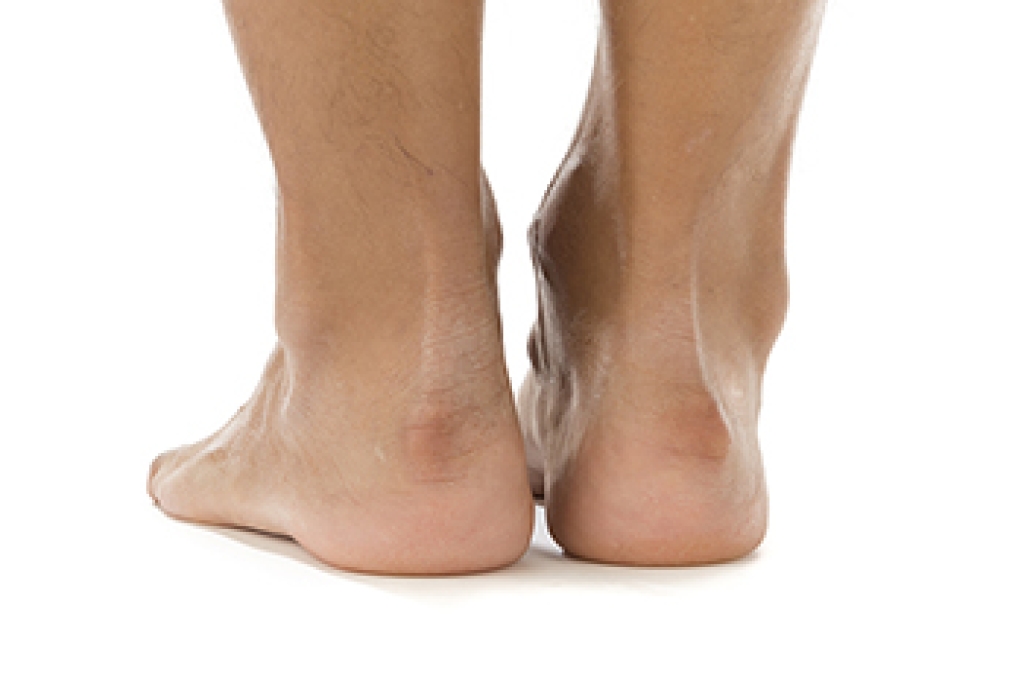
Haglund's syndrome is a painful condition that affects the back of the heel and is more common in women, especially those who often wear high heels or shoes with stiff backs. It usually involves three related problems. First, the large tendon that connects the calf muscle to the heel becomes irritated where it attaches to the bone. Second, a small fluid-filled cushion that helps reduce friction in the heel becomes swollen and inflamed. Third, a bony bump can form on the back of the heel. This bump may rub against shoes, leading to redness, swelling, and ongoing pain. Symptoms of Haglund's syndrome can affect one or both heels and often get worse with activity or certain footwear. A podiatrist can order imaging tests and recommend treatment such as supportive devices, targeted injections, or surgery in more severe cases. If you have pain in the back of the heel, it is suggested that you make an appointment with a podiatrist for an exam, diagnosis, and treatment.

Many people suffer from bouts of heel pain. For more information, contact George Tellam, DPM of Ankle & Foot Associates. Our doctor can provide the care you need to keep you pain-free and on your feet.

Causes of Heel Pain

Heel pain is often associated with plantar fasciitis. The plantar fascia is a band of tissues that extends along the bottom of the foot. A rip or tear in this ligament can cause inflammation of the tissue.

Achilles tendonitis is another cause of heel pain. Inflammation of the Achilles tendon will cause pain from fractures and muscle tearing. Lack of flexibility is also another symptom.

Heel spurs are another cause of pain. When the tissues of the plantar fascia undergo a great deal of stress, it can lead to ligament separation from the heel bone, causing heel spurs.

Why Might Heel Pain Occur?

  • Wearing ill-fitting shoes                
  • Wearing non-supportive shoes
  • Weight change           
  • Excessive running

Treatments

Heel pain should be treated as soon as possible for immediate results. Keeping your feet in a stress-free environment will help. If you suffer from Achilles tendonitis or plantar fasciitis, applying ice will reduce the swelling. Stretching before an exercise like running will help the muscles. Using all these tips will help make heel pain a condition of the past.

If you have any questions, please feel free to contact our offices located in Orange Park and Jacksonville Beach, FL . We offer the newest diagnostic and treatment technologies for all your foot care needs.

Read more about Heel Pain
scroll to top